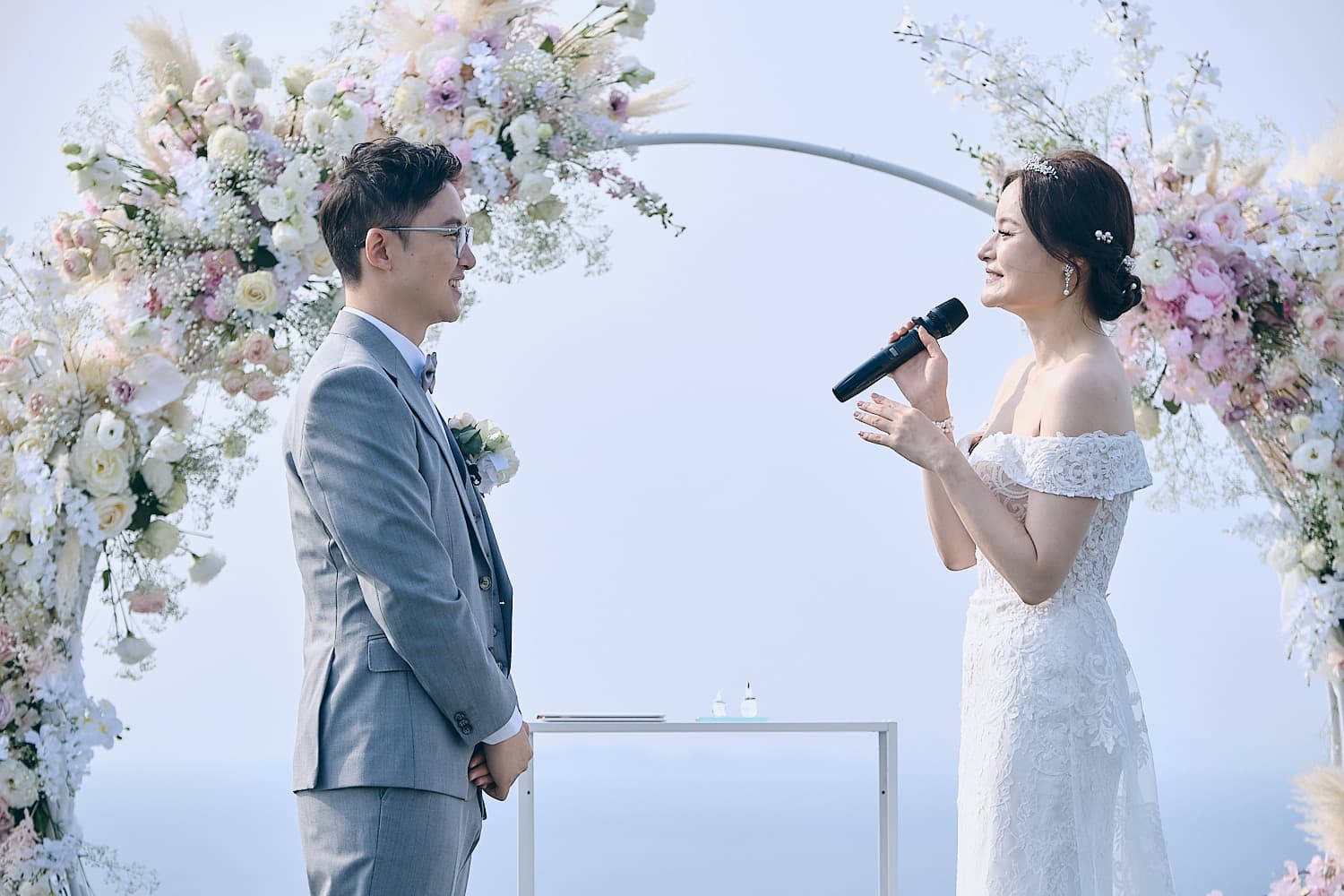
Few countries change as dramatically through the year as Japan. The same garden can look completely different in April and November, and the season you choose will shape your photos, your guest experience, your budget, and even which venues are available. Here is a practical way to think through the four seasons before you commit to a date.
Spring (March to May): the classic choice
Cherry blossom season is the image most couples have in mind, and it is the most competitive time of year. Blooms typically peak from late March to early April in Tokyo and Kyoto, though timing shifts year to year and cannot be guaranteed months in advance. That uncertainty matters: if blossoms are central to your vision, treat them as a lovely possibility rather than a promise, and plan a backup you would also be happy with.
Expect the highest demand, the highest prices, and the biggest crowds at popular sights. Late April and May often bring comfortable weather and fresh greenery with fewer crowds, apart from the early-May Golden Week holidays, when travel and hotels get very busy.
Summer (June to August): warm, lush, and easier to book
Summer is the least requested season, which can work in your favor for availability and cost. Early summer includes the rainy season (tsuyu), typically running through June into July in much of the country, and July and August can be hot and very humid. Outdoor ceremonies need a thoughtful plan for heat and rain, and traditional layered attire can be demanding in high temperatures.
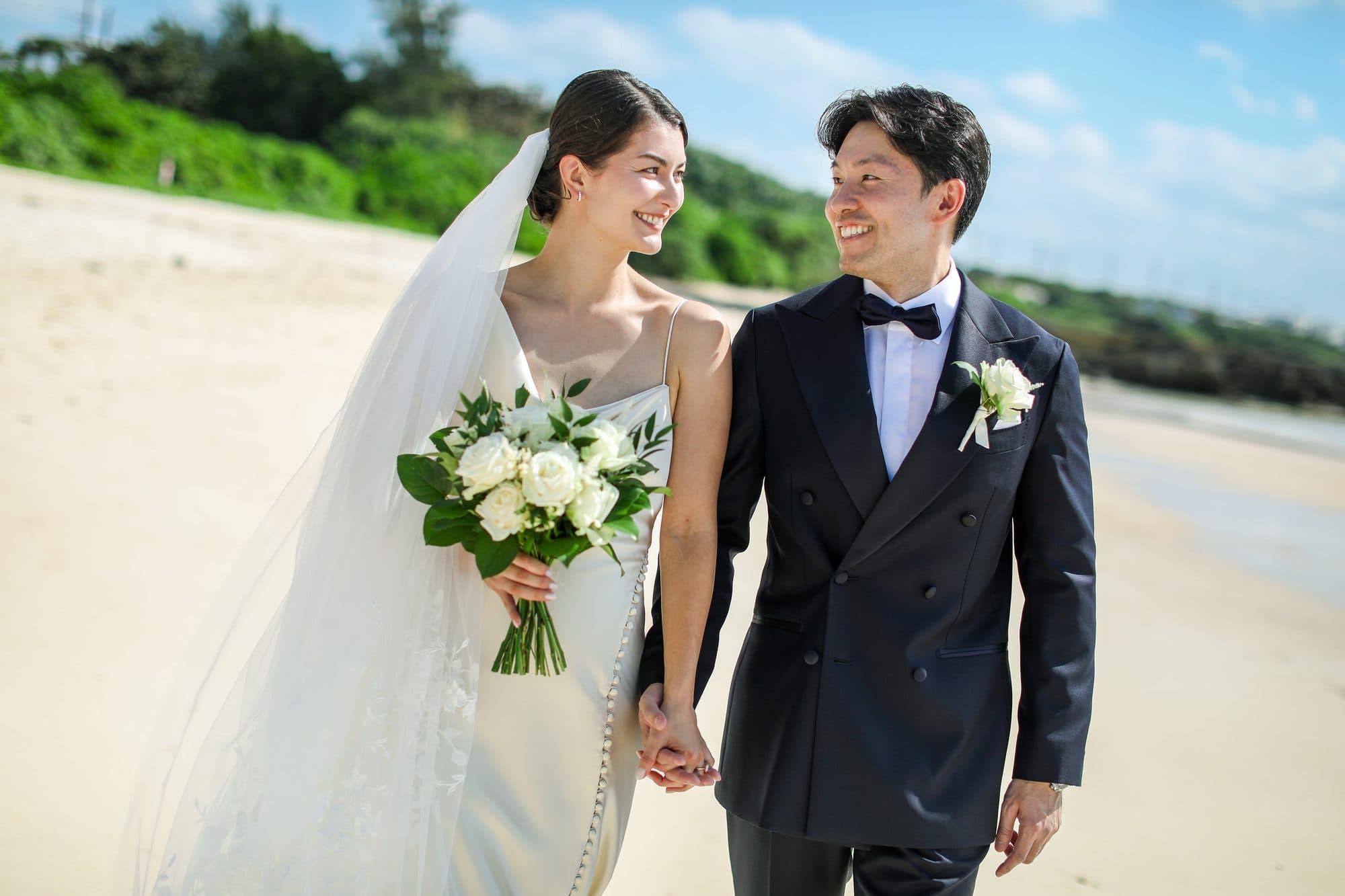
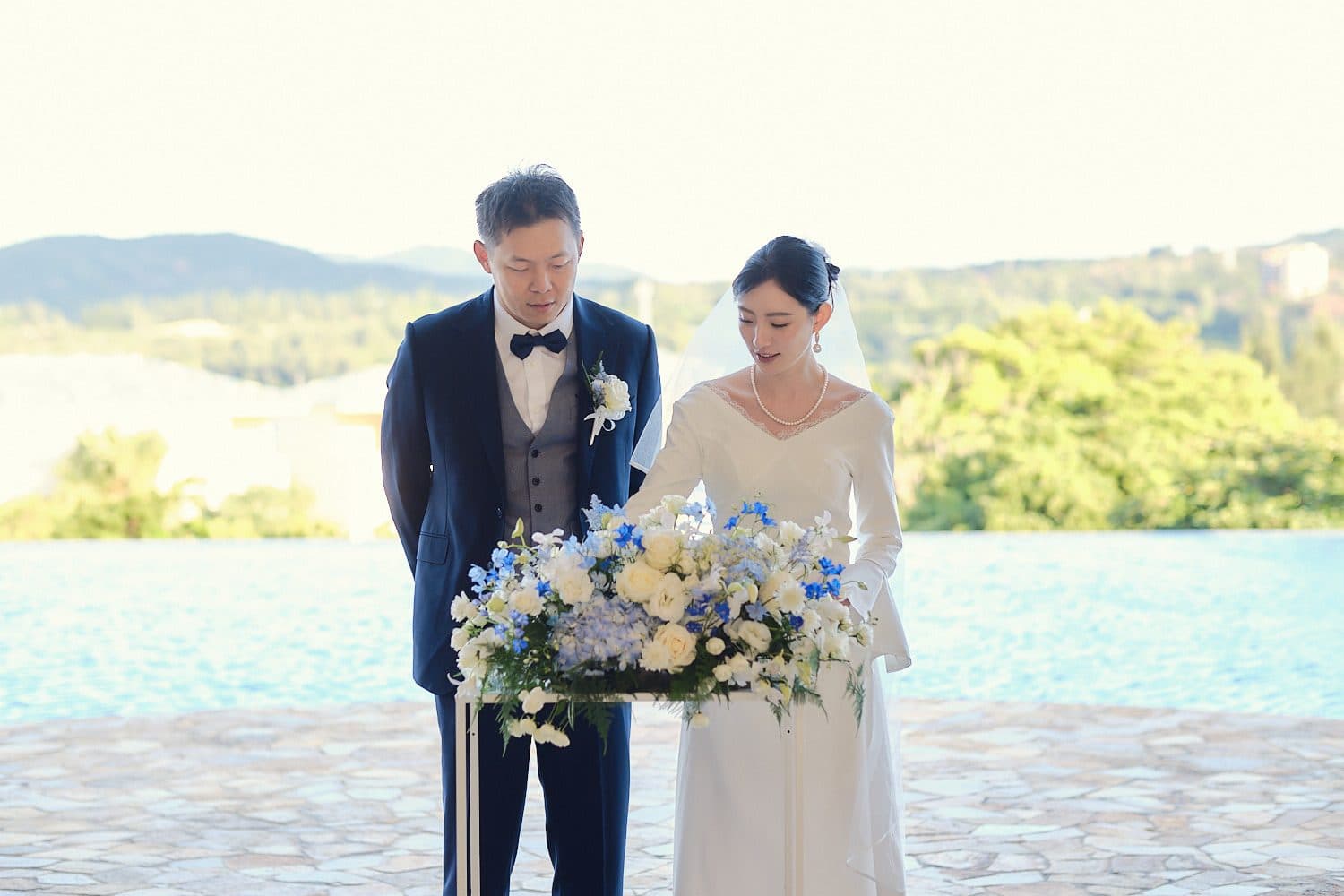
On the upside, summer is when Okinawa's beach and resort weddings shine, and the mountain and lakeside areas around Hakone and Fuji offer cooler air. Typhoon season also begins to build in late summer, so build flexibility into travel plans and consider travel insurance.
Autumn (September to November): the other favorite
Autumn foliage rivals cherry blossoms as a backdrop, and many planners quietly prefer it: the weather is generally clearer and more stable, and the light is beautiful for portraits. Peak color moves from north to south and from high to low elevation, usually reaching Kyoto and Tokyo in mid to late November. As with blossoms, exact timing varies.
Because autumn is nearly as popular as spring, popular venues can fill up many months ahead. September can still see typhoons, so October and November tend to be the safer bets.
Winter (December to February): quiet and atmospheric
Winter offers crisp air, clear skies, and far fewer visitors. Snow in Kyoto is rare and cannot be counted on, but northern regions and mountain areas offer reliable winter scenery. Year-end and New Year holidays are busy for domestic travel and many businesses close, so check availability carefully around those dates. Indoor ceremonies, seasonal illuminations, and hot-spring stays make winter a good fit for couples who value intimacy over crowds.
Questions to ask when deciding
- Who is traveling? Older relatives may prefer mild spring or autumn weather; a small group of friends may be flexible.
- How important is a specific look? If blossoms or foliage are non-negotiable, book early and keep dates flexible within the likely window.
- What is your budget? Off-peak dates often give you more choice and negotiating room.
- What else will guests do? Many guests turn the trip into a longer Japan holiday, so consider local festivals and school or public holidays that affect crowds.
Whatever you choose, ask your planner about typical conditions for your chosen dates and region, and remember that flowers, foliage, and weather are natural events that no vendor can guarantee.
Japan Destination Wedding connects couples abroad with vetted venues, photographers, kimono stylists, and bilingual planners across Japan. Tell us about your wedding and we'll help you find the season and team that fit your vision.