
For many overseas couples, the first image that comes to mind when they picture a Japanese wedding is the bride in a striking white or richly patterned kimono. Traditional attire is one of the most distinctive — and most photographed — parts of a Japan destination wedding, but the options can be confusing if you've never encountered them before. Here's a plain-language guide to what's available and how to think about choosing.
Shiro-muku: the classic bridal white
Shiro-muku (白無垢) is the most iconic Japanese bridal garment: an all-white, multi-layered kimono ensemble traditionally worn for a Shinto shrine ceremony. The white symbolizes purity and a fresh start, and the look is typically completed with a white hood-like headpiece called a wataboshi, or a rounded wig accessory known as a tsunokakushi ("horn-hiding cover" — playfully said to hide the "horns of jealousy" a bride leaves behind as she begins married life). Shiro-muku tends to be the formal choice for couples having an actual shrine ceremony rather than a secular one, since it developed alongside that ritual.
Iro-uchikake: color, pattern, and drama
If shiro-muku is about restraint, iro-uchikake (色打掛) is its opposite: a heavily embroidered, brightly colored outer robe, often in red, gold, or deep jewel tones, decorated with auspicious motifs like cranes, pine, or cherry blossoms. Historically worn by brides from samurai families, it's now a popular choice for the reception or a photo session after a shrine ceremony — many brides do a o-iro-naoshi, a "color change," moving from the white shiro-muku into an iro-uchikake partway through the day. It's a striking option if you want dramatic photographs alongside a temple gate, autumn maples, or a traditional garden.
Modern and Western-fusion options
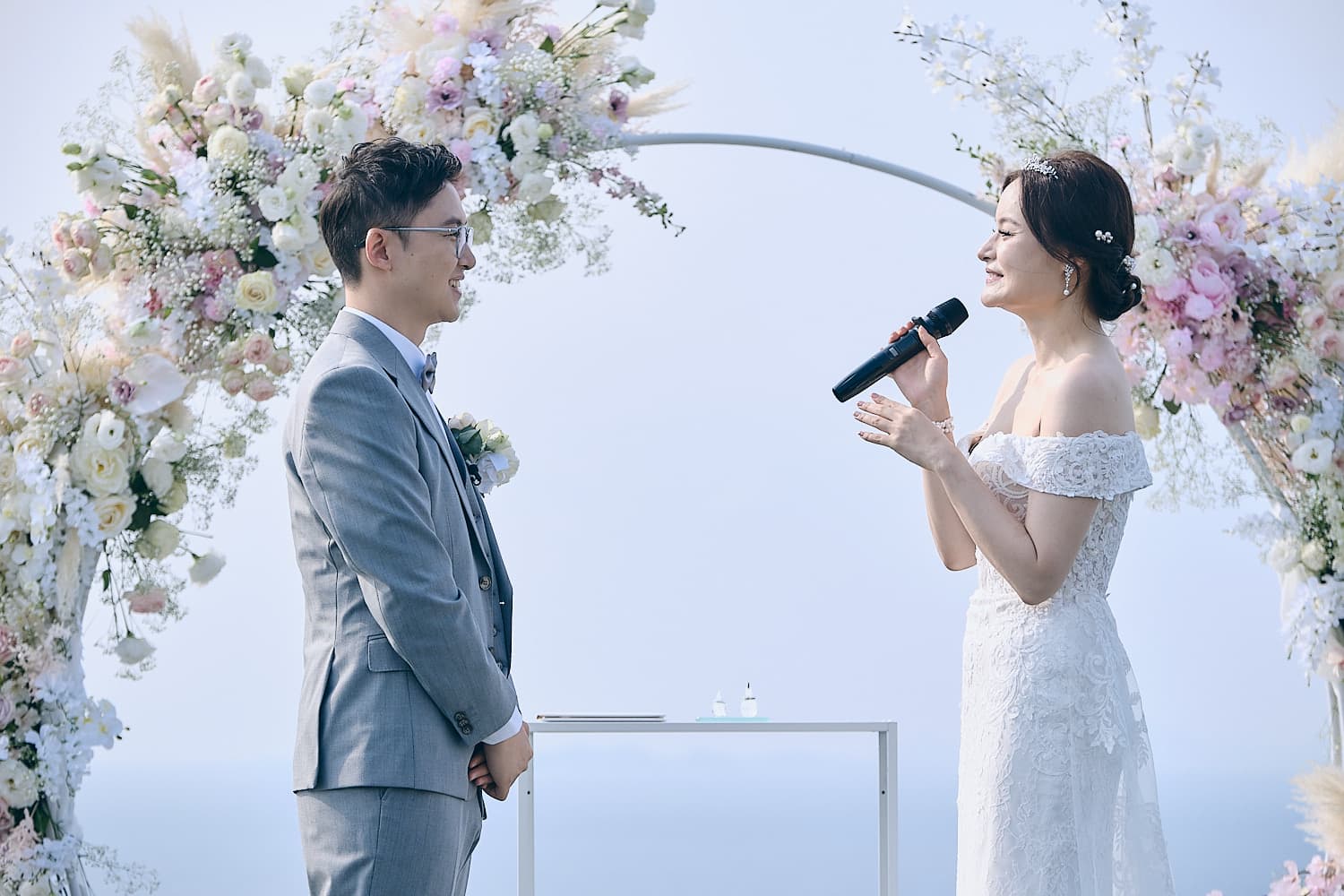
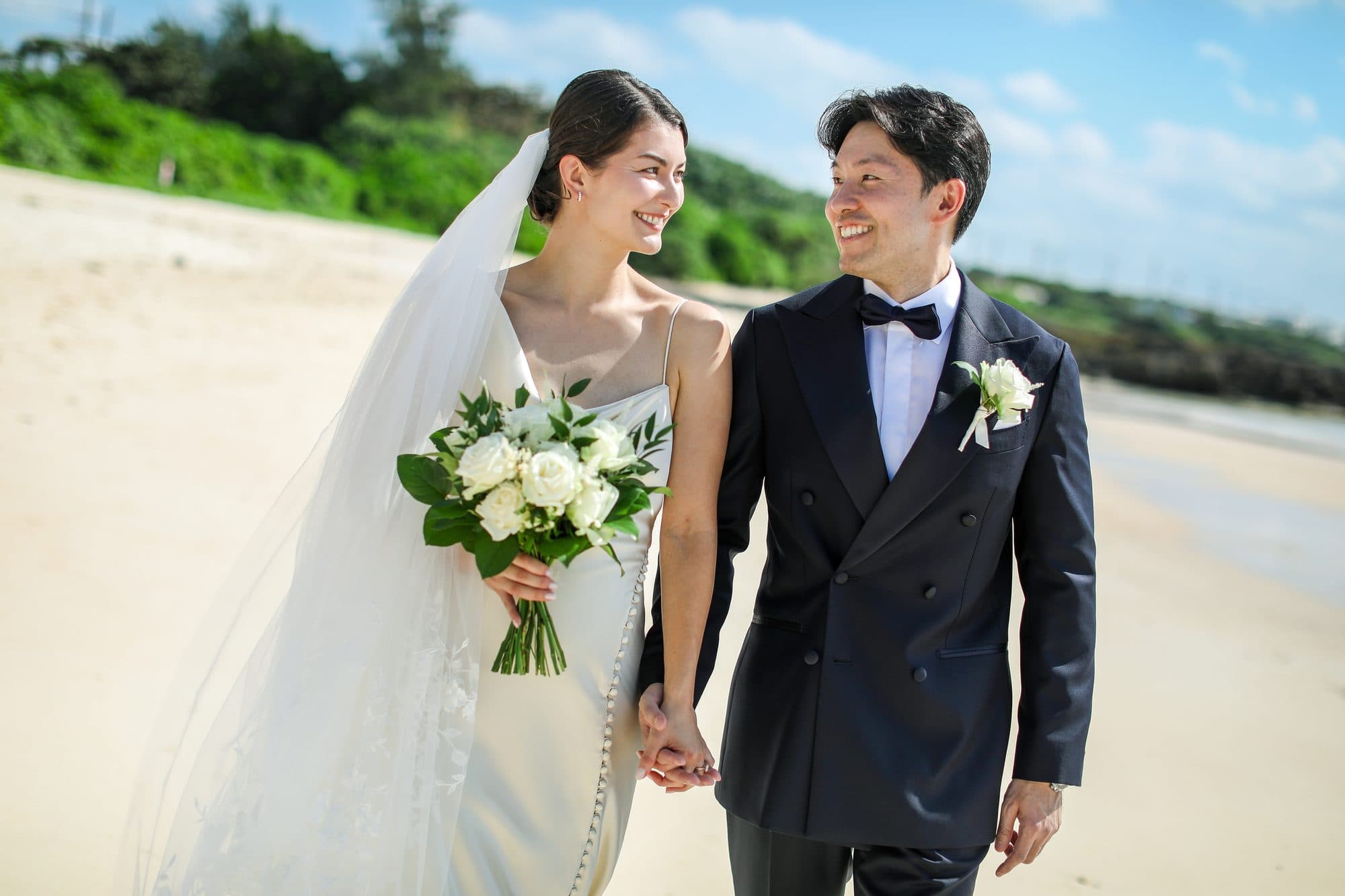
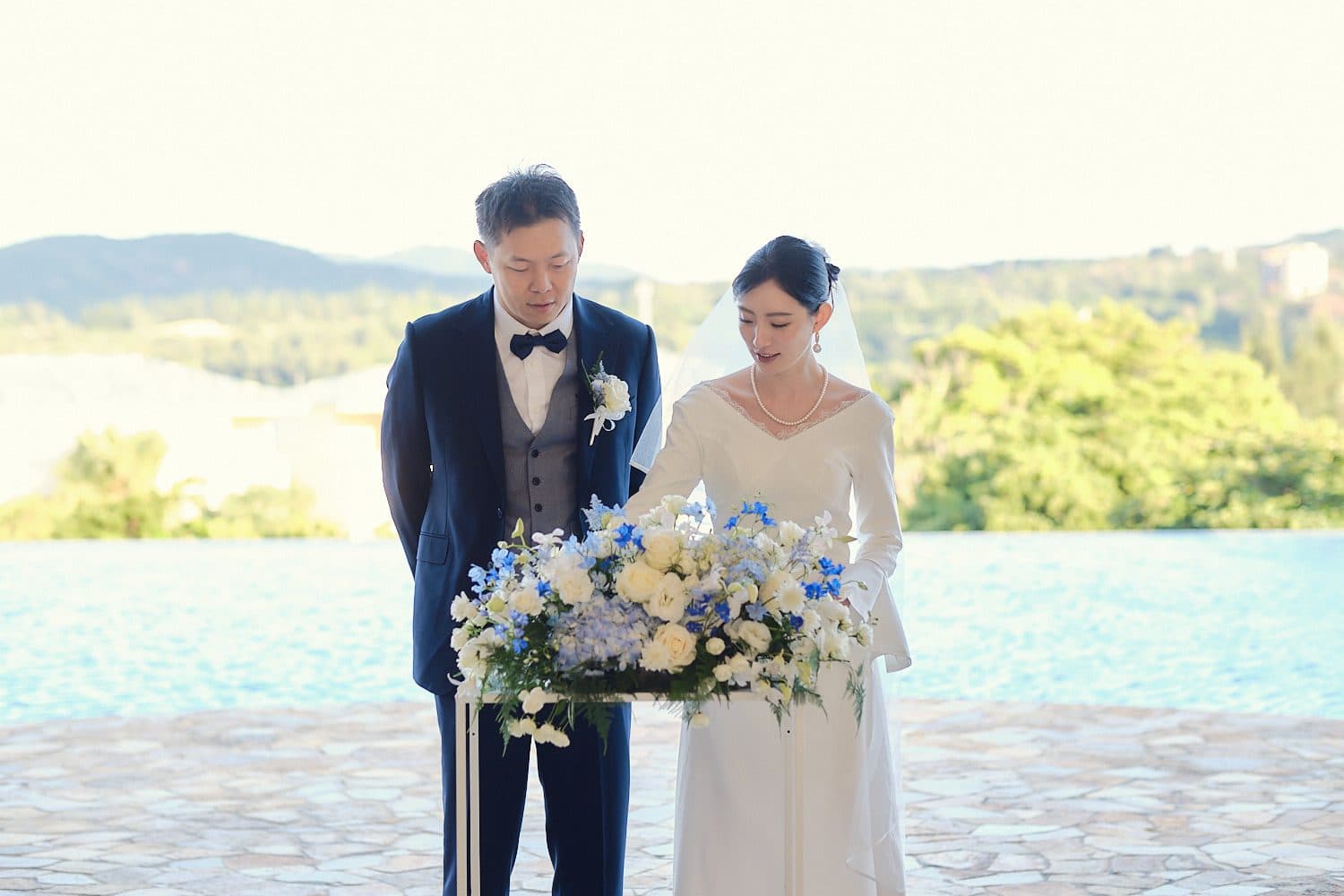
Not every couple wants a fully traditional look, and that's increasingly common even among Japanese couples themselves. Many venues and dressing studios offer fusion options: a Western-style white gown for the ceremony itself, with a change into kimono for photos or the reception, or vice versa. Some couples skip kimono entirely and opt for a Western dress and suit throughout. There's no single "correct" approach — it comes down to what kind of day and what kind of photographs you want to walk away with.
What's involved beyond just the garment
Traditional Japanese bridal wear is rarely a simple change of clothes. A full shiro-muku or iro-uchikake styling typically includes several under-layers, an obi (sash) tied in a specific formal knot, and often a hairstyling process — either a traditional wig (katsura) or hair styled and set to hold the headpiece. Because of the number of layers and the precision involved, professional dressing usually takes longer than a Western-style gown change, and having an experienced hair-and-makeup team who specializes in bridal kimono matters more than it might for other parts of the day. This is one area where working with vendors who do this regularly, rather than improvising, makes a visible difference in the final photos.
A note on rental vs. sizing
Unlike Western wedding gowns, which are frequently custom-fitted or altered extensively, kimono are traditionally designed to be adjusted through wrapping and folding technique rather than tailoring, which makes them more forgiving across different body shapes and sizes than many couples expect. Most brides rent rather than purchase, since the garments are formal, seasonal-specific in some designs, and expensive to own outright. If this is a part of your day you care about, it's worth raising sizing and rental logistics early in your planning conversations rather than assuming it will be handled automatically — timelines for fittings can vary by studio.
Bringing it into your ceremony plan
If traditional attire is a priority for your Japan wedding, it's worth deciding early whether you want a full Shinto shrine ceremony (where shiro-muku fits naturally), a secular ceremony with kimono worked in for photos or a reception change, or a Western-style day with Japanese elements woven in more lightly. Each path has different implications for venue choice, timeline, and the vendors you'll need — which is exactly the kind of planning question a bilingual coordinator can help you sort through before you commit to a date.
Japan Destination Wedding connects couples abroad with vetted venues, photographers, kimono stylists, and bilingual planners across Japan. Tell us about your wedding and we'll introduce you to the right team for your date, region, and style.