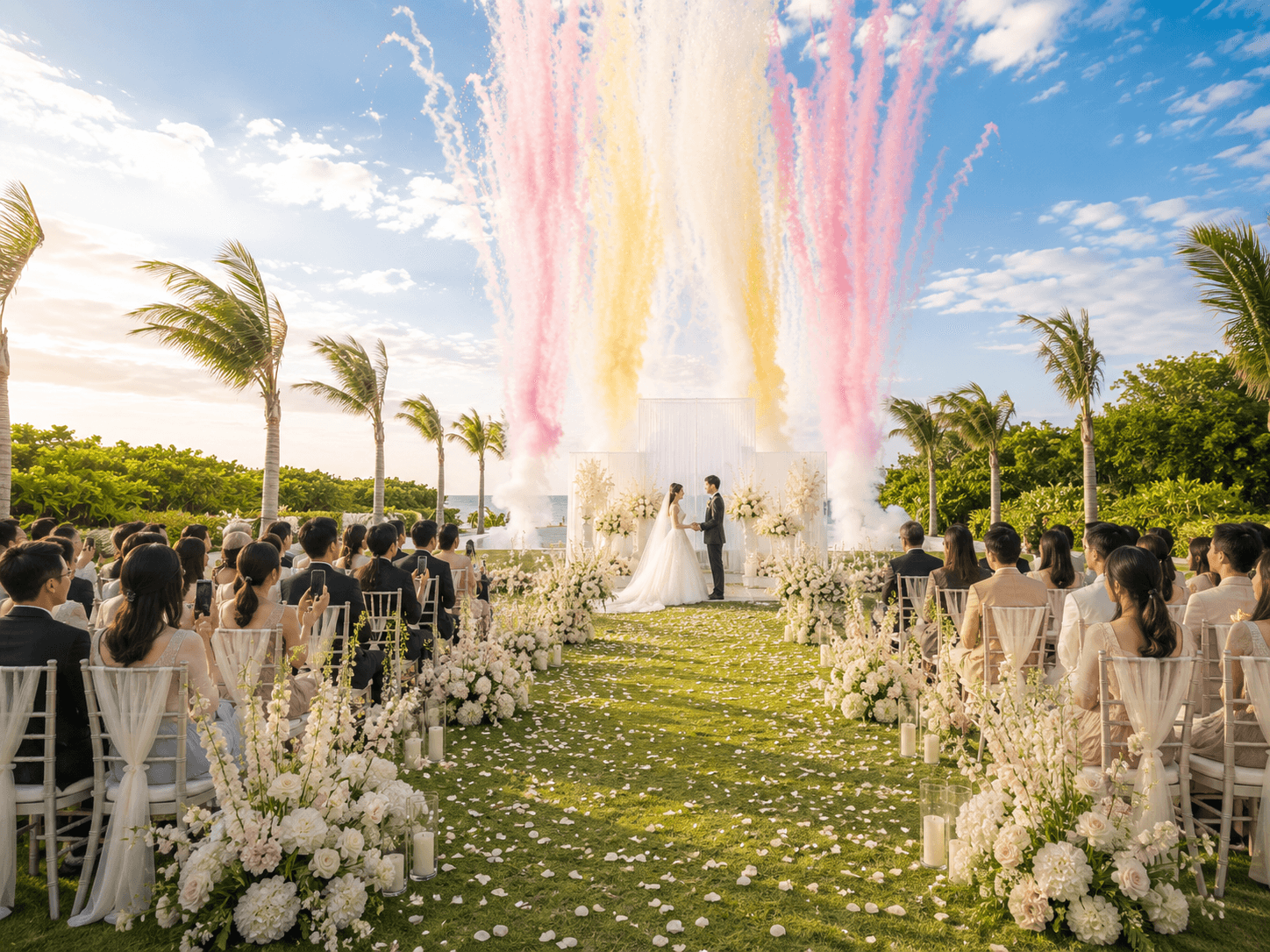
Japan has quietly become one of the most compelling destination wedding options for couples abroad — a country that offers everything from centuries-old shrine ceremonies to glass-walled resort venues overlooking the sea, all within a single trip. But because so few English-language planning resources exist, most couples don't know where to begin. Here's a practical first-steps guide.
Start with a realistic timeline
Most couples begin planning 9–12 months out. Popular venues in Kyoto, Okinawa, and Tokyo can book a year or more in advance for peak seasons (spring cherry blossom season and autumn foliage season are the most competitive). If you're flexible on dates, a summer or winter wedding can be booked with far less lead time and often at a lower cost.
Decide: legal marriage, ceremony, or both
Many international couples choose to legally marry in their home country beforehand and treat their Japan wedding as a ceremony and celebration — this sidesteps a significant amount of paperwork. If you do want your marriage to be legally recognized in Japan, you'll need to register at a local municipal office (yakuba) with translated and, in some cases, apostilled documents. A bilingual planner can tell you exactly what your home country's embassy in Japan requires, since the paperwork differs by nationality.
Choosing a region shapes everything else
- Kyoto — traditional shrine and temple ceremonies, historic townhouses (machiya), the most "iconic Japan" backdrop.
- Okinawa — beach and resort weddings, tropical scenery, generally easier logistics for larger international guest lists.
- Tokyo — city-based venues, easiest international flight access, best for guests combining the wedding with a longer Japan trip.
- Hakone / Fuji region — mountain and lakeside venues with views of Mt. Fuji, a popular middle ground between traditional and resort styles.
Budget for interpretation, not just the venue
The single biggest planning gap for overseas couples isn't cost — it's language. Contracts, vendor communication, and day-of coordination all typically happen in Japanese. Building in a bilingual planner or interpreter from the start (rather than trying to add one later) tends to save both money and stress.
Japan Destination Wedding connects couples abroad with vetted venues, photographers, kimono stylists, and bilingual planners across Japan. Tell us about your wedding and we'll introduce you to the right team for your date, region, and style.